Dr. Taita Kipyegon arap Towett
Founding Father of Kalenjin Politics • Nationalist • Scholar • Cabinet Minister • Author
Hall of Fame Citation
Dr. Taita Kipyegon arap Towett is widely regarded as one of the principal architects of modern Kalenjin political identity. A nationalist, scholar, linguist and educationist, he played a pivotal role in Kenya's struggle for independence, participated in drafting the country's first Constitution, served in Cabinet, and devoted his life to preserving Kalenjin language, history and culture. His influence continues to be felt in Kenyan politics, education and historical scholarship.
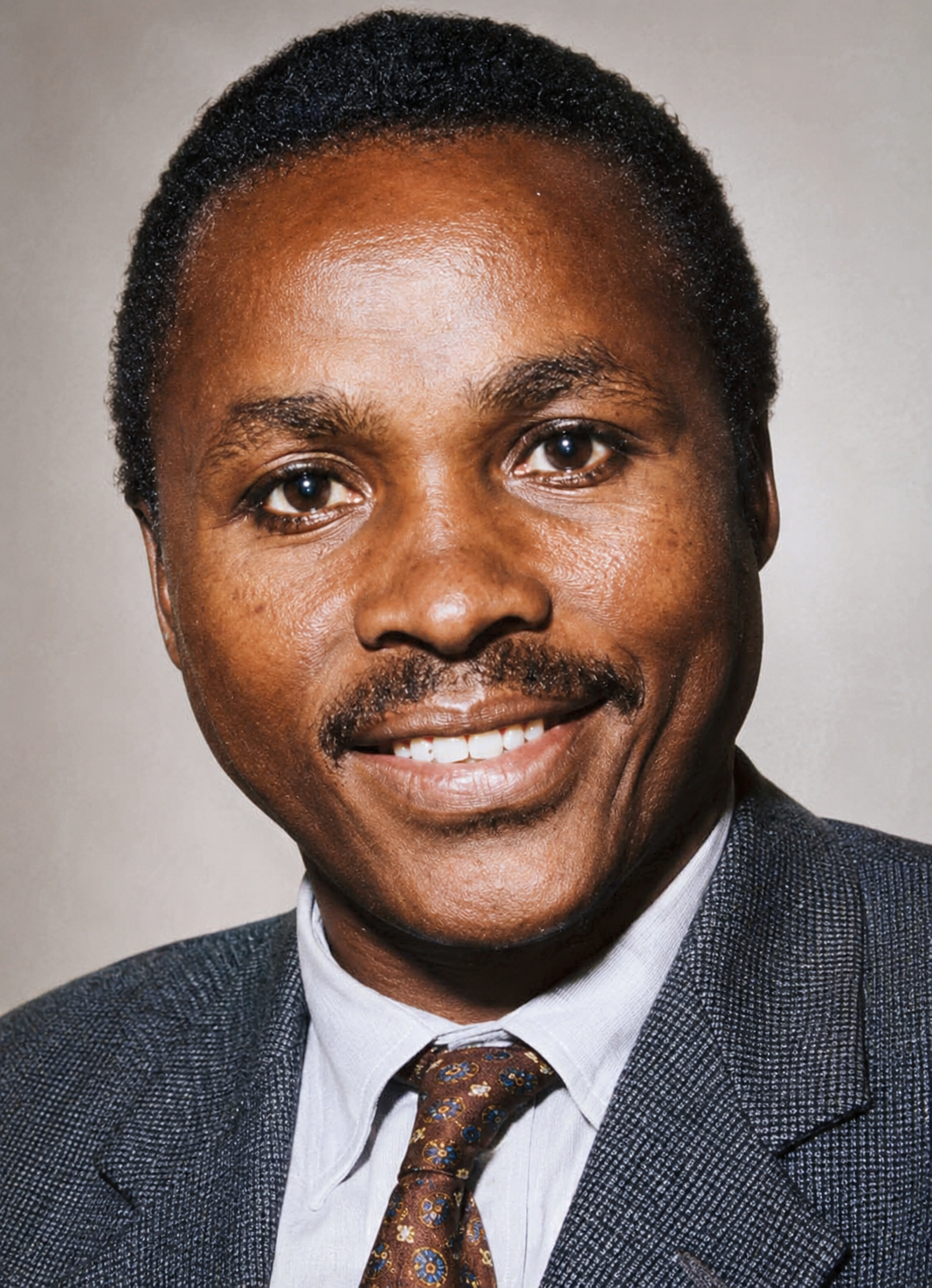
Quick Facts
Dr. Taita Kipyegon arap Towett
1925
8 October 2007
Bomet (Former Kericho District)
Teacher, Philosopher, Linguist & Politician
KADU, later KANU
Cabinet Minister for Education
Founding Father of Kalenjin Politics
Philosophy & Linguistics
Introduction
Few individuals have shaped both the political and intellectual history of the Kalenjin community as profoundly as Dr. Taita Kipyegon arap Towett. He belonged to the pioneering generation of African leaders who combined education, nationalism and public service during Kenya's transition from colonial rule to independence.
Throughout his life, Towett distinguished himself not only as a politician but also as a scholar, philosopher, linguist, author and passionate defender of education. His leadership during the constitutional negotiations before independence helped ensure that the voices of minority communities were heard during the formation of the Kenyan nation.
His remarkable public career, spanning almost five decades, earned him recognition as one of the most influential political figures ever produced by the Kalenjin community.
Early Life and Family Background
Dr. Taita Kipyegon arap Towett was born in 1925 in what was then Kericho District, today forming part of Bomet County. He grew up during a period when Kenya was under British colonial rule and African communities had very limited opportunities for political participation and higher education.
Raised within the Kipsigis community, he developed an early interest in learning and public affairs. His intelligence, discipline and determination quickly distinguished him from many of his peers.
These formative years shaped his lifelong commitment to education, justice, leadership and the advancement of African communities.
Education
Dr. Towett began his education at Litein Primary School before proceeding to Kabianga Mission School.
In 1948 he achieved national recognition after emerging as the top candidate in the Kenya African Preliminary Examination (KAPE), an achievement that earned him admission to the prestigious Alliance High School.
Following his secondary education, he joined Makerere College in Uganda, then East Africa's premier institution of higher learning, where many of Africa's future leaders received their education.
His pursuit of knowledge continued throughout his life. Through distance learning he obtained a Bachelor of Arts degree in Philosophy from a South African university before earning a Master of Philosophy and later a Doctorate in Linguistics from the University of Nairobi.
Scholar, Philosopher and Linguist
Unlike many politicians of his generation, Dr. Towett regarded education as a lifelong pursuit. His scholarly interests extended far beyond politics into philosophy, African history, language and cultural studies.
He authored several important publications on Kalenjin language, literature and social history, making him one of the foremost scholars of Kalenjin heritage.
Among his best-known works are A Study of Kalenjin Linguistics and The History of Kipsigis, publications that continue to serve as valuable references for researchers, students and historians interested in the history of the Kalenjin people.
"Education and knowledge are the strongest foundations upon which a nation and its people can build their future."
Dr. Towett believed that scholarship, leadership and public service were inseparable responsibilities of those entrusted with guiding society.
Entry into Politics
Dr. Taita arap Towett formally entered elective politics in 1958 when he was elected to the Legislative Council (LEGCO), the colonial legislature that preceded Kenya's modern Parliament. Representing Kericho District, he joined a select group of African leaders entrusted with advancing the political aspirations of their communities during the final years of British colonial rule.
His election marked the beginning of a remarkable political career that would span nearly five decades. Even at this early stage, Towett distinguished himself through eloquence, intellectual depth and courage in defending the interests of minority communities within the Rift Valley.
His ability to articulate constitutional issues quickly earned him national recognition and positioned him among the leading voices shaping Kenya's transition to self-government.
Service in the Legislative Council (LEGCO)
As a member of the Legislative Council, Towett participated in historic debates that laid the foundation for Kenya's future political system. He consistently advocated equitable representation, protection of minority communities and constitutional safeguards that would promote national unity while respecting Kenya's ethnic diversity.
His parliamentary contributions established him as one of the most respected legislators of his generation and prepared him for even greater responsibilities during the constitutional negotiations that followed.
The Formation of KADU
When the Kenya African Democratic Union (KADU) was formed in 1960, Dr. Towett became one of its principal ideologues and served as the party's chief adviser. KADU emerged as the voice of Kenya's smaller communities, advocating a devolved system of government (Majimbo) that would safeguard regional interests within an independent Kenya.
Towett strongly believed that no community, regardless of its population size, should feel politically marginalized. His constitutional philosophy emphasized inclusivity, balanced development and respect for cultural diversity.
Although KADU differed with KANU on the structure of government, Towett consistently advocated peaceful dialogue and democratic competition rather than confrontation.
Political Vision
Dr. Towett believed that Kenya's strength would come from recognizing the dignity of every community while building a strong united nation. His constitutional thinking continues to influence discussions on devolution and regional representation.
The Lancaster House Constitutional Conferences
Dr. Towett was among Kenya's distinguished leaders who participated in the Lancaster House Conferences held in London between 1960 and 1963. These historic negotiations brought together representatives of the British Government, KANU, KADU and other stakeholders to draft the constitutional framework for an independent Kenya.
During these negotiations, Towett passionately defended the rights of minority communities and advocated constitutional arrangements that would promote equity, inclusion and national cohesion.
The Lancaster House Conferences ultimately produced the constitutional framework under which Kenya attained independence on 12 December 1963.
Kenya's Independence
As Kenya approached independence, Dr. Towett emerged as one of the country's most respected nationalist leaders. His participation in constitutional negotiations and his leadership within KADU earned him national recognition as a statesman of remarkable vision.
Although political differences existed between KADU and KANU, Towett consistently emphasized peaceful coexistence and national unity above partisan interests.
His contribution during Kenya's formative years secured his place among the founding fathers of the Republic.
Joining KANU
In 1963, Dr. Towett made one of the most controversial decisions of his political career when he resigned from KADU and joined the Kenya African National Union (KANU).
His decision, taken without the approval of many within KADU, generated considerable political debate. Demonstrating his respect for democratic principles, he resigned his parliamentary seat and sought a fresh mandate from the electorate under the KANU banner.
Although he lost that by-election, his decision reflected a deep commitment to constitutional accountability. Rather than crossing the floor of Parliament without consulting voters, he allowed the electorate to determine whether they still wished him to represent them.
Several years later, he successfully returned to Parliament, where his political experience and statesmanship remained highly valued.
Cabinet Minister for Education
Following his election back to Parliament in 1969, President Jomo Kenyatta appointed Dr. Towett Minister for Education, one of the most influential portfolios in government.
As Minister, he became a passionate advocate for expanding educational opportunities for Kenyan children. He believed that education was the greatest equalizer and the surest path toward national development.
His tenure witnessed continued expansion of schools, teacher training institutions and educational opportunities during the critical years following independence.
Concerned by poor national examination results, Dr. Towett took the extraordinary step of placing newspaper advertisements encouraging students not to lose hope. He publicly invited those who had failed examinations to write directly to him so that he could explore ways of helping them continue their education.
Within weeks, his office reportedly received over one thousand letters from students seeking guidance—a powerful demonstration of his belief that every Kenyan child deserved a second chance.
Major Contributions to Nation Building
🏛 Constitutional Leadership
Participated in drafting Kenya's Independence Constitution during the Lancaster House Conferences.
🤝 Defender of Minority Rights
Championed constitutional protection for smaller Kenyan communities during the independence negotiations.
📚 Educational Reforms
Promoted expansion of education and encouraged equal access to learning opportunities throughout Kenya.
🌍 National Unity
Worked tirelessly to unite Kalenjin communities while promoting peaceful coexistence among all Kenyans.
Later Political Career
Following the death of President Jomo Kenyatta in August 1978, Kenya entered a new political era under President Daniel Toroitich arap Moi. Dr. Towett contested the 1979 General Election but lost his Buret parliamentary seat to Prof. Jonathan Kimetet arap Ng'eno, one of the country's most distinguished scholars and future Speaker of the National Assembly.
Although no longer in Parliament, Dr. Towett remained an active participant in national affairs. He unsuccessfully sought a political comeback in 1988 but later accepted nomination to Parliament by KANU in 1992, returning to national leadership through the confidence placed in him by his party.
He also served as Chairman of the Kenya Seed Company and later as a Director of the Kenya Times Media Trust, continuing to contribute to national development beyond elective politics.
Scholar, Author and Historian
Beyond politics, Dr. Towett devoted enormous energy to preserving the language, traditions and history of the Kalenjin people. Unlike many politicians whose influence ended with public office, his intellectual contributions continue to educate future generations.
His major publications include:
- A Study of Kalenjin Linguistics
- The History of Kipsigis
- Numerous scholarly writings on Kalenjin social organization, culture and philosophy.
These works remain valuable references for historians, researchers, linguists and students studying the heritage of the Kalenjin community.
He possessed an extraordinary love for reading and learning, rarely travelling without books. Friends and colleagues often remarked that long journeys became opportunities for study rather than leisure.
The Man Behind the Statesman
Dr. Towett was widely regarded as one of Kenya's most independent-minded politicians. He never hesitated to express his opinions, even when they were unpopular.
His intellectual curiosity extended well beyond politics. He conducted personal research on wildlife, maintained an unconventional lifestyle, and was known for his remarkable sense of discipline and organization.
Many people considered him eccentric, yet those who knew him closely admired his honesty, scholarship and unwavering commitment to principle. His willingness to challenge conventional thinking earned him both admiration and criticism, making him one of Kenya's most fascinating political figures.
A Passion for Education
Education remained the defining passion of Dr. Towett's life. While serving as Minister for Education, he became deeply concerned by poor performance in national examinations.
Instead of criticizing students, he publicly encouraged them not to lose hope. In one remarkable gesture, he invited students who had failed examinations to write directly to him so that he could help them pursue further education.
This compassionate approach reflected his lifelong belief that failure should never become the end of a person's educational journey.
National Recognition
For his immense contribution to Kenya's struggle for independence, constitutional development and public service, Dr. Towett received several national recognitions.
Among the most notable was the Freedom of the City of Nairobi Honour, awarded in recognition of his contribution to Kenya's independence and nation building.
Timeline of Public Service
Born in present-day Bomet County.
Emerged Kenya's top candidate in the Kenya African Preliminary Examination (KAPE).
Studied at Alliance High School and Makerere College.
Elected to the Legislative Council (LEGCO).
Became chief adviser to KADU.
Participated in the Lancaster House Constitutional Conferences.
Joined KANU and sought a fresh electoral mandate.
Returned to Parliament and appointed Minister for Education.
Lost Buret parliamentary seat to Prof. Jonathan Kimetet arap Ng'eno.
Returned to Parliament as a nominated Member.
Passed away following a road traffic accident near Nakuru on 8 October 2007 at the age of 82.
Legacy
Dr. Taita Kipyegon arap Towett occupies a unique position in the history of Kenya and the Kalenjin community. Few leaders made such profound contributions simultaneously to politics, education, constitutional development, scholarship and cultural preservation.
He helped establish the political foundations upon which later generations of Kalenjin leaders would build. His participation in the Lancaster House Conferences ensured that minority communities had a respected voice during Kenya's constitutional formation.
As an educationist, he inspired thousands of young Kenyans to value learning. As a scholar, he preserved the language and history of his people. As a statesman, he demonstrated courage, principle and unwavering commitment to public service.
Historical Significance
Any serious study of Kenya's independence movement or Kalenjin political history is incomplete without the contribution of Dr. Taita arap Towett.
He belongs to the distinguished generation of founding fathers who transformed local leadership into national statesmanship. His influence extended beyond elections into constitutional thinking, education policy, historical research and cultural preservation.
For these reasons, he remains one of the most respected pioneers of modern Kalenjin political leadership.
Remembering Dr. Towett
"A great nation is built by educated citizens, principled leaders and communities that preserve their history."
Dr. Taita Kipyegon arap Towett devoted his life to ensuring that future generations inherited not only political freedom but also knowledge, culture and a deep sense of identity.
Historical Note
This biography has been prepared as part of the Kipindoek–Ngusero Politics Archive to preserve the life, leadership and contributions of Dr. Taita Kipyegon arap Towett, one of the founding fathers of Kalenjin politics and a distinguished architect of Kenya's constitutional and educational development.