The Role of Elders in Traditional Kipsigis Society
Exploring the wisdom, leadership, justice, and cultural stewardship of elders in Kipsigis society.
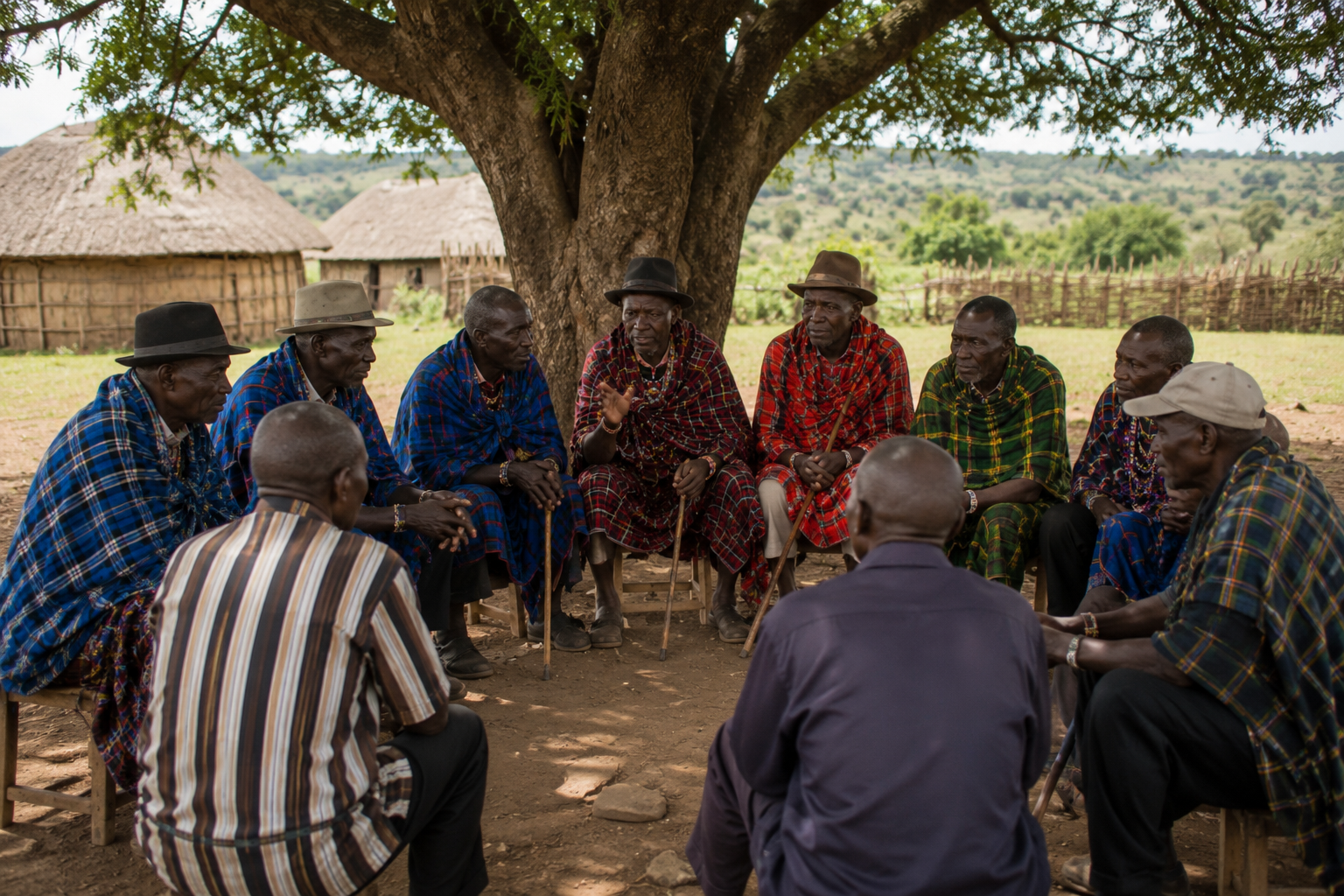
In traditional Kipsigis society, elders occupied one of the most respected and influential positions in community life. They were custodians of wisdom, guardians of customs, decision-makers, peacekeepers, teachers, and protectors of cultural continuity.
Custodians of Wisdom
Elders preserved and transmitted cultural knowledge from one generation to another. Their memory served as the community's living library.
They taught:
- Clan history
- Family lineages
- Proverbs and wisdom sayings
- Traditional values
- Cultural expectations
- Moral lessons
Much of this knowledge was passed through storytelling, evening gatherings, ceremonies, and direct mentorship.
Community Leadership
Elders played major leadership roles in the absence of formal modern government structures.
Their responsibilities included:
- Community guidance
- Decision-making
- Oversight of social conduct
- Conflict prevention
- Protection of communal harmony
Conflict Resolution and Justice
One of the most important roles of elders was maintaining justice and peace. Disputes between families, neighbors, or clans were brought before respected elders.
They handled matters such as:
- Land disagreements
- Marriage conflicts
- Livestock disputes
- Family misunderstandings
- Community misconduct
Their goal was reconciliation, fairness, and restoration of peace rather than punishment alone.
Guardians of Ceremonies
Elders guided major cultural ceremonies and ensured that traditional customs were observed correctly.
They participated in:
- Naming ceremonies
- Marriage negotiations
- Blessings
- Initiation guidance
- Community rituals
- Traditional dispute settlements
Their presence gave legitimacy, wisdom, and cultural continuity to important community events.
Mentorship of the Young
Elders mentored younger generations, preparing them for adulthood and responsible citizenship.
They emphasized:
- Respect
- Discipline
- Hard work
- Bravery
- Responsibility
- Community loyalty
Through advice and personal example, elders helped shape the character of future generations.
Preservers of Clan Identity
Elders were keepers of family ancestry and clan memory. They knew relationships, genealogies, and marriage boundaries that helped preserve social order.
This knowledge helped avoid prohibited family unions, protected lineage identity, and strengthened clan unity.
Spiritual and Moral Guidance
Elders also provided spiritual counsel and moral guidance, working alongside traditional leadership structures where necessary.
They encouraged upright conduct, reconciliation, mutual respect, and adherence to cultural values.
Their guidance helped maintain harmony within families, clans, and the wider community.