Koitalel arap Samoei: Hero of Resistance
The legendary Nandi Orgoiyot who led one of the most remarkable anti-colonial resistance movements in East Africa.
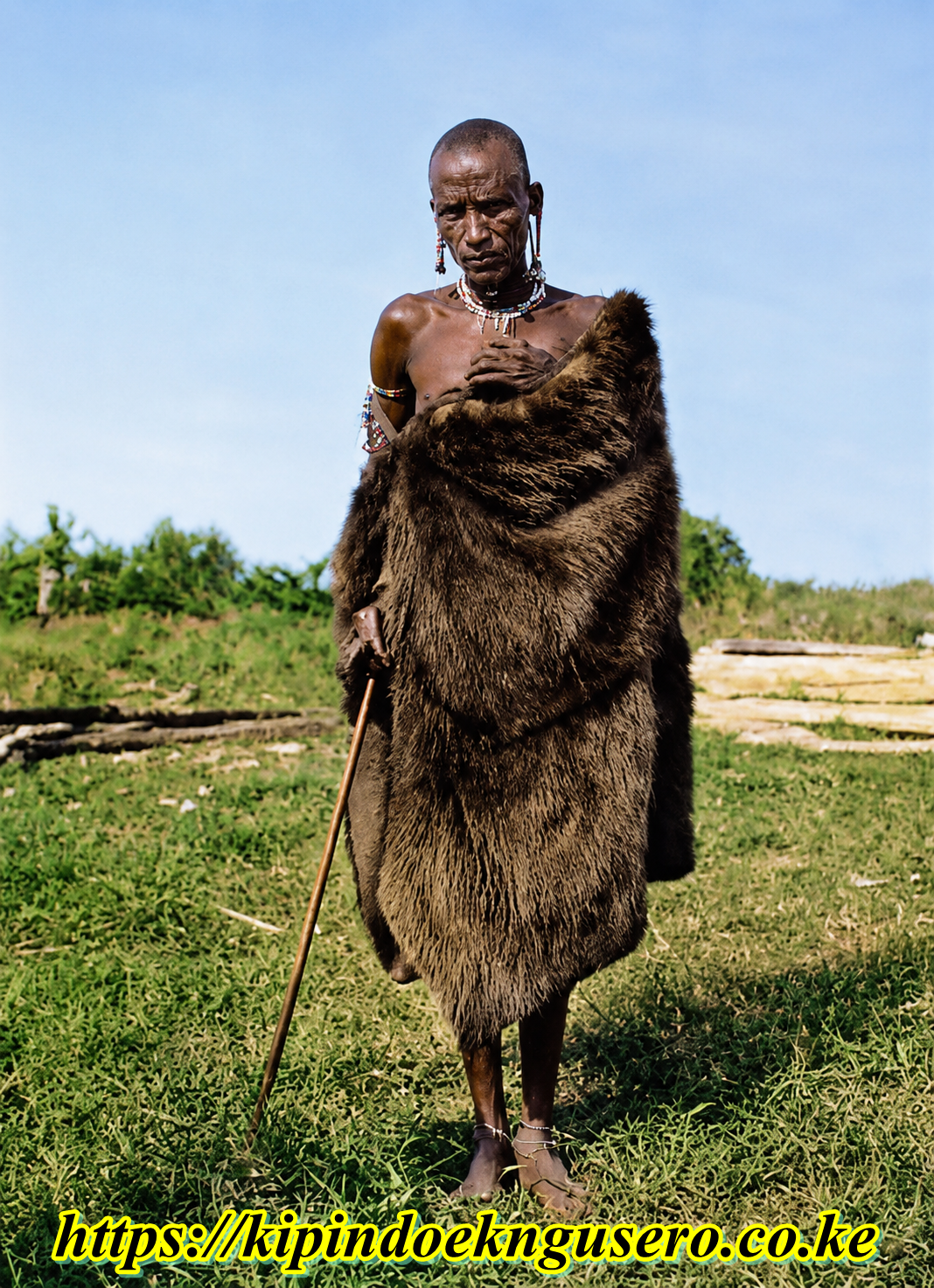
Named after a white stone, Koitalel arap Samoei was the last-born son of the renowned Nandi Orgoiyot Kipnyolei arap Turugat. He was born in Samitu, Aldai in 1860 and would later become one of the most celebrated heroes in Kenyan history.
Early Life and Destiny
Shortly after his birth, some of his stepmothers questioned whether he was truly the son of Kipnyolei. To settle the matter, his father ordered the young child to be placed at the entrance of the homestead as cattle returned in the evening.
He declared that if the child survived without being trampled, he would be recognized as his rightful son and spiritual heir.
Remarkably, the cattle avoided the child completely. This event was interpreted as a divine sign confirming Koitalel's special destiny.
The Prophecy
One famous story recounts how Kipnyolei gathered his sons around a pot of traditional brew (busaa) and asked them to silently interpret what they saw.
Koitalel suddenly saw heavily armed white men killing African people. He drew his sword and exclaimed:
"I am seeing white men killing our people."
His father, irritated that he had spoken aloud, replied:
"Barin biik che lelach."
Many later interpreted these words as a prophecy of Koitalel's eventual death at the hands of colonial forces.
Leadership and Resistance
Following the death of his father, Koitalel became the Nandi Orgoiyot in 1890.
He reorganized resistance against British colonial expansion into a disciplined force that repeatedly disrupted railway construction through Nandi territory.
On April 5, 1902, his warriors attacked Kibigori Railway Station. When British authorities demanded 300 cattle as punishment, Koitalel refused and intensified resistance.
Despite facing approximately 2,000 colonial troops, the Nandi fought courageously using spears, shields, and poisoned arrows.
Betrayal at Ketbarak
On September 26, 1905, Colonel Richard Meinertzhagen proposed a peace meeting with Koitalel.
Trusting the agreement, Koitalel attended the meeting at Ketbarak accompanied by only a few companions.
Unknown to him, more than 80 armed soldiers had been hidden nearby.
On October 19, 1905, Koitalel was treacherously shot and killed during what was supposed to be a peace negotiation.
"My drastic action on this occasion haunted me for many years."
These words were later written by Meinertzhagen himself.
Family and Succession
After his death, leadership briefly passed to his brother Kipeles arap Tamasun.
Later, his son Barsirian arap Manyei became a leading figure in resistance and would spend decades imprisoned by the colonial government.
Barsirian was eventually released in 1964, becoming one of Kenya's longest-serving political prisoners.
Enduring Legacy
Today, Koitalel's courage, sacrifice, and leadership are remembered throughout Kenya and beyond.
His memory is honored through the Koitalel arap Samoei Mausoleum in Nandi Hills and the Koitalel Samoei University College.