Mugeni arap Mondi (Barng’tuny arap Kosgey)
Exploring the life, visions, and enduring legacy of one of the most fascinating prophetic figures in Kipsigis oral tradition.
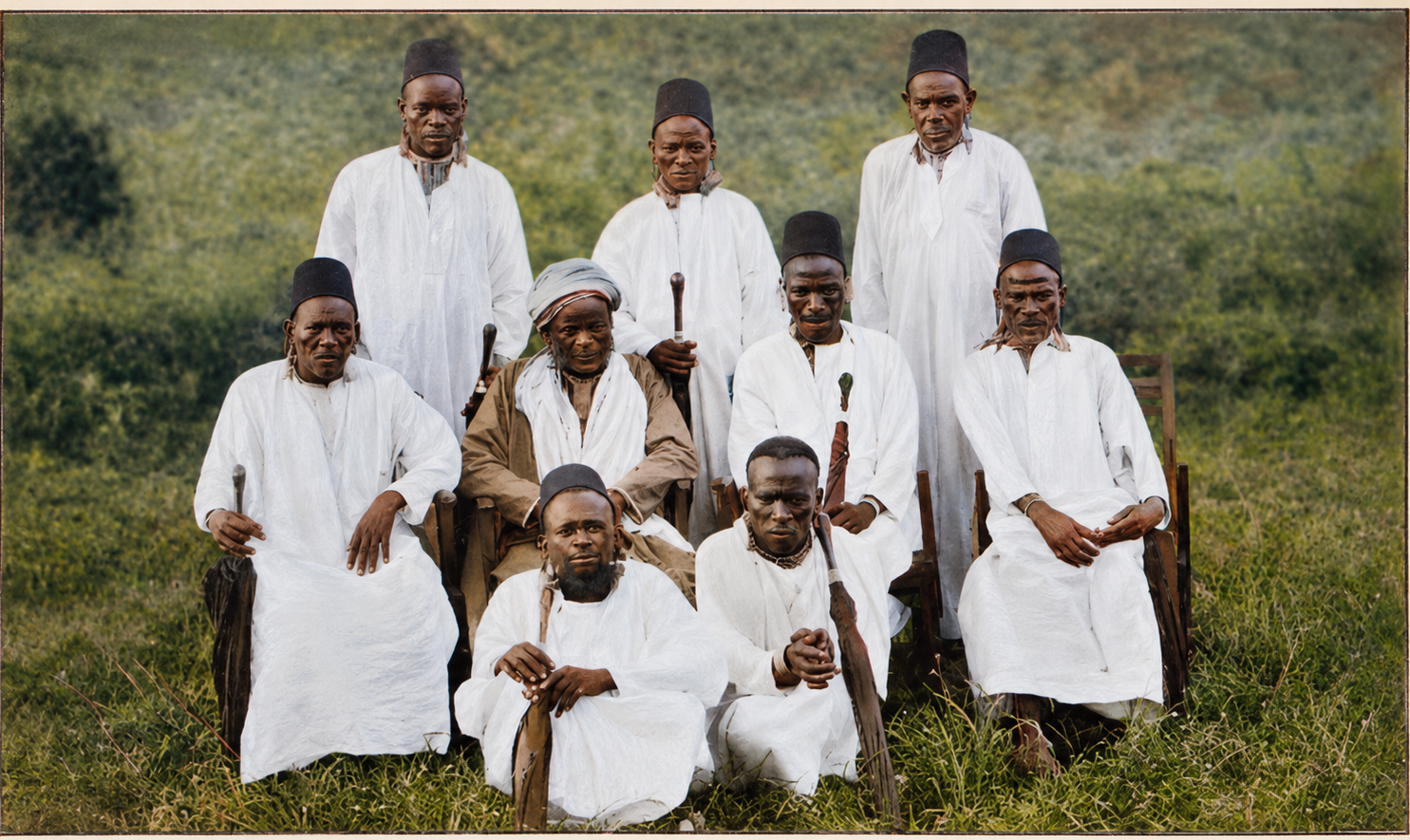
Barng’tuny arap Kosgey, fondly known as Mugeni arap Mondi, was one of the most remarkable prophetic figures remembered in Kipsigis oral tradition. He was regarded as a maotiot (seer/prophet), whose visions were dismissed by many in his lifetime but later came to be interpreted as astonishingly accurate.
Early Life
Mugeni was born to Kimondi arap Sinei. His mother was a daughter of Chepakikware, wife of Kipnyole arap Turugat.
His family initially lived in Nandi before migrating to Kapchepkoro in Sotik.
His father died while he was still young, limiting the time they spent together.
Before becoming known for prophecy, Mugeni served as a messenger carrying information from prophetic maternal relatives in Nandi to the Kipsigis people.
How He Became "Mugeni"
In 1913, he accompanied his uncle arap Koilegen to Mombasa during British celebrations.
Upon returning, colonial officers reportedly remarked:
“Huyu ni mgeni wenu.”
From that day onward, the name Mugeni remained attached to him and eventually became the name by which he was widely known.
The Unbelieved Prophet
Mugeni began sharing visions during his later years. Many people dismissed him as confused or eccentric, yet his prophecies survived in oral tradition because later generations connected them to historical events.
His reputation grew after several predictions appeared to mirror developments that occurred long after his death.
Famous Prophecies
A Route in the Sky
Mugeni spoke of a route in the sky along which people would travel from East to West.
People laughed because they could not imagine humans travelling through the air. Later generations associated this prophecy with airplanes.
Colonial Departure
He foretold the departure of white settlers and symbolic changes to infrastructure, including a bridge later known locally as Etyet ab Mugeni.
Growth of Sotik
Mugeni described seeing white buildings standing in open fields. This was later interpreted as the development and growth of modern Sotik town.
Cows Cultivating
He spoke of cows cultivating land, a vision later linked to the introduction of ox-plough farming.
Identity Registration
Mugeni predicted that people would one day be required to provide personal information when crossing boundaries. This was later associated with the colonial identity card system.
Kipsigis and Abagusii Unity
He foresaw peaceful coexistence and intermarriage between the Kipsigis and Abagusii communities, a reality that became increasingly common in later years.
The Great Snake
Mugeni described a giant snake swallowing and releasing people across the land.
Later generations interpreted this vision as referring to the railway system.
Migration Visions
He foresaw migration, displacement, hardship, and changing settlement patterns affecting communities across East Africa.
National Leadership
Oral tradition credits him with visions concerning future national leadership transitions and leaders emerging from different regions of the country.
Family Life and Death
Mugeni was a family man with one wife, four sons, and three daughters.
He died during the 1920s and was reportedly buried behind the present-day Sotik Police Station.
Although he lived a relatively ordinary life, his prophetic reputation continued to grow after his death, making him one of the most remembered figures in Kipsigis oral history.